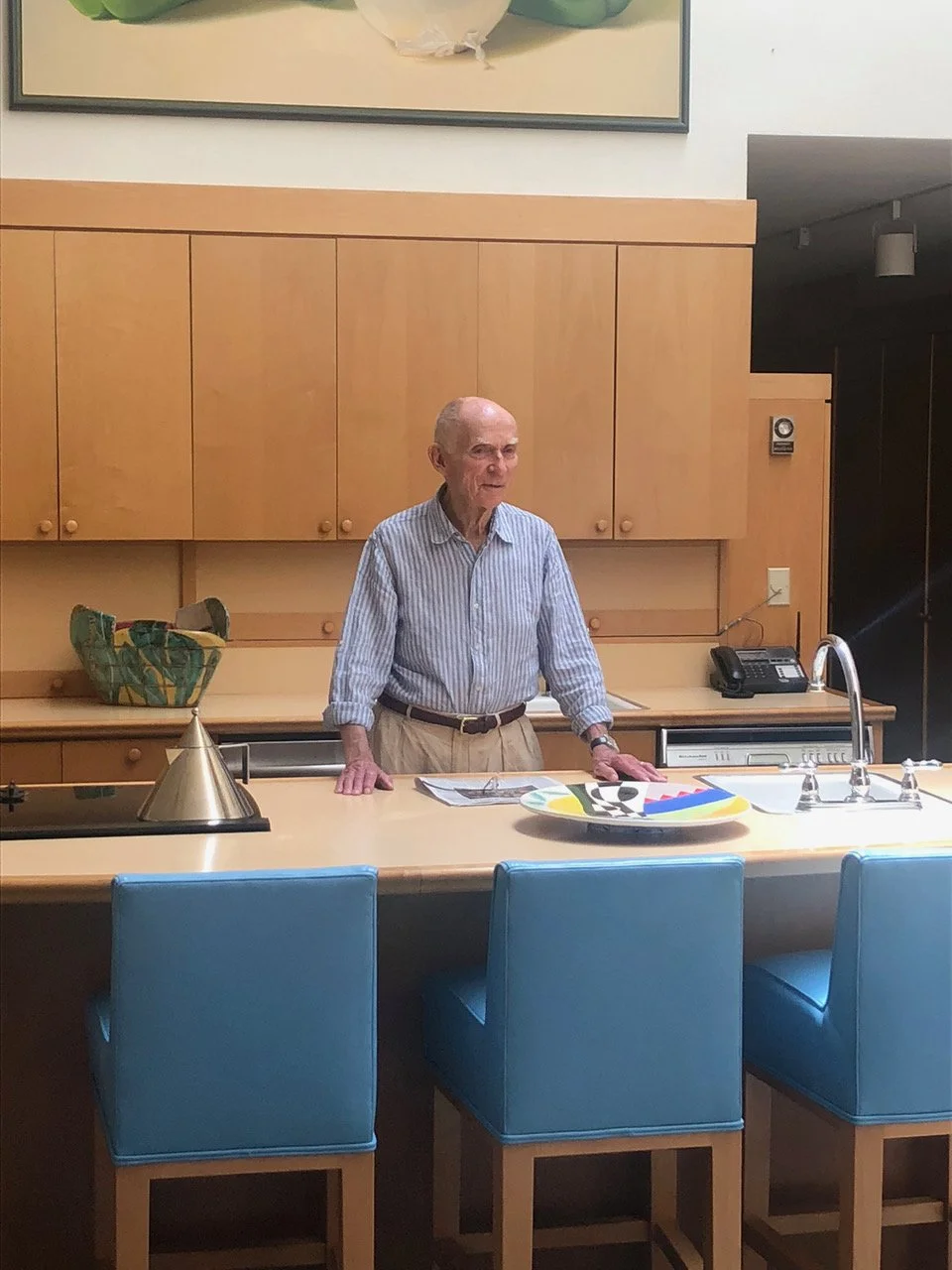
The Rev. Alfred R. Shands III
(1928-2021)
Al Shands’ lifelong fascination with art’s mysterious power and beauty began in his childhood, when he would visit the Phillips Collection in Washington, D.C., frequently returning to favorite works by Monet, Renoir, and Eakins. In 1950, he received a Bachelor’s Degree (magna cum laude) in English Literature from Princeton University, followed by a Master’s Divinity Degree from Virginia Theological Seminary in 1954.
As an ordained Episcopal priest, Al served congregations in Washington, D.C.; Harbor Springs, Michigan; and Louisville, Kentucky. He was a leader of the liturgical reform movement and author of The Liturgical Movement and the Local Church, published in both the U.S. and England. Two essay collections, Rounding the Circle and Border Crossing, gather together short epistles he wrote to his congregation touching on faith, the arts, and current events. Al also had a career as a filmmaker, producing more than 35 documentaries exploring aspects of Kentucky life. In 1978, he received a Peabody Award for the film “Who’s Child Is This?”
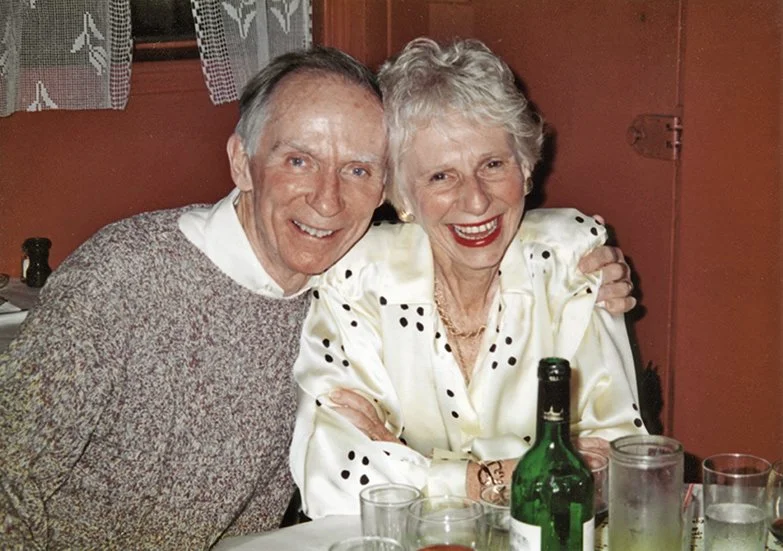
Al and Mary Shands married in 1967, and together began to collect contemporary art, becoming members of collecting groups at the Whitney Museum of American Art, Museum of Modern Art (MOMA), and the Museum of Art and Design in New York, as well as The National Gallery in Washington, D.C., and The Speed Art Museum in Louisville, Kentucky. Additionally, Al was a longtime Trustee of the Speed, and served on advisory boards at the Whitney and MOMA in New York, and the Peggy Guggenheim Collection in Venice, Italy.
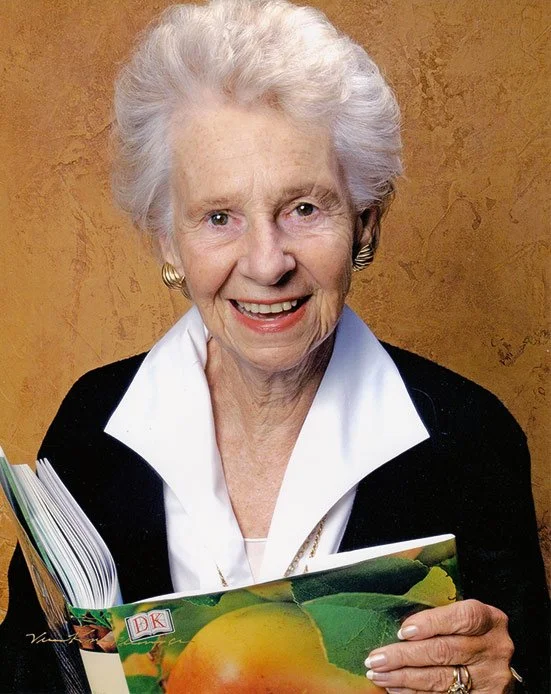
Mary Norton Shands
(1930-2009)
Mary Norton Shands was born to George W. Norton III, a financier and media mogul; and Jane Morton Norton, an artist, novelist, and follower of the spiritual philosophy of Rudolph Steiner. When Mary’s father and older brother were both killed in separate car accidents in 1964, she (along with her mother) assumed leadership of the consortium of radio and television stations her father had assembled.
Though she left college in her freshman year, Mary was a determined leader: she briefly served as the chairperson of Orion Broadcasting Corporation; was a chair of the WAVE Foundation; a founder of the Third Century organization; chair of the River Region Mental-Health Retardation Board (later Seven County Services); and served on the boards of the St. Francis School in Goshen (now Francis Parker School), the Frontier Nursing Service, and the University of Louisville, among many other pivotal civic roles.
Mary had three children with her first husband, then they divorced. She met Al in Washington, D.C. in 1967 and three years later they settled in Louisville where they began to collect contemporary art. According to Peter Morrin, former director of the Speed Art Museum, Mary’s decisiveness was instrumental in bringing some of the finest and most challenging works into the couple’s collection, including Tony Cragg’s Bestückung, Alfredo Jaar’s Seven Sins, and Ken Price’s C Green.
In addition to co-founding what would become KMAC Contemporary Art Museum (and serving as its chairperson from 1981-88), Mary was appointed to chair the Kentucky Arts Council in 1981, and was president of the Louisville Fund for the Arts from 1979-80. Her interest in health and wellness led her to create the Fox Hollow Holistic Clinic and Spa in Oldham County in 1993, with another location in downtown Louisville. She was also instrumental in bringing in Andrés Duany, a leading voice in New Urbanism, as a consultant for the Norton Commons community. Mary died in 2009, leaving a rich legacy of leadership and philanthropy in the arts and civic communities.